JAKARTA, Agung Intiland News — The competition between Indonesia and Vietnam in attracting logistics investments is intensifying in early 2026. Both countries are considered the main destinations for manufacturing relocation and supply chain expansion in Southeast Asia, in line with post-pandemic global diversification strategies and geopolitical dynamics.
The logistics investments in question include:
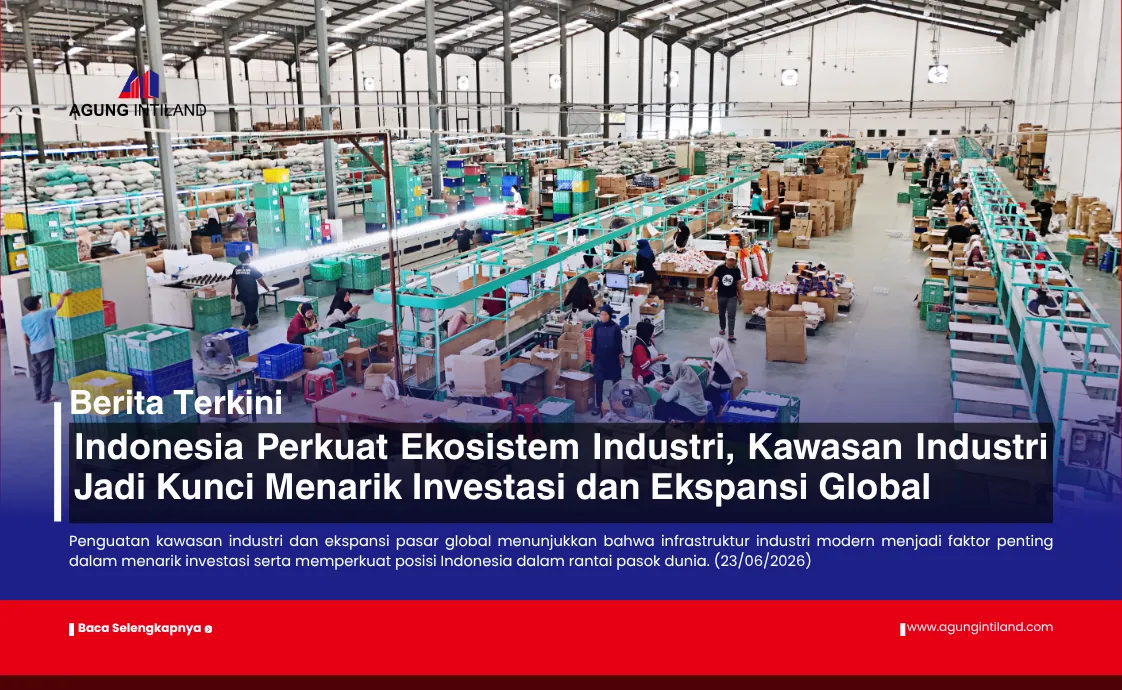
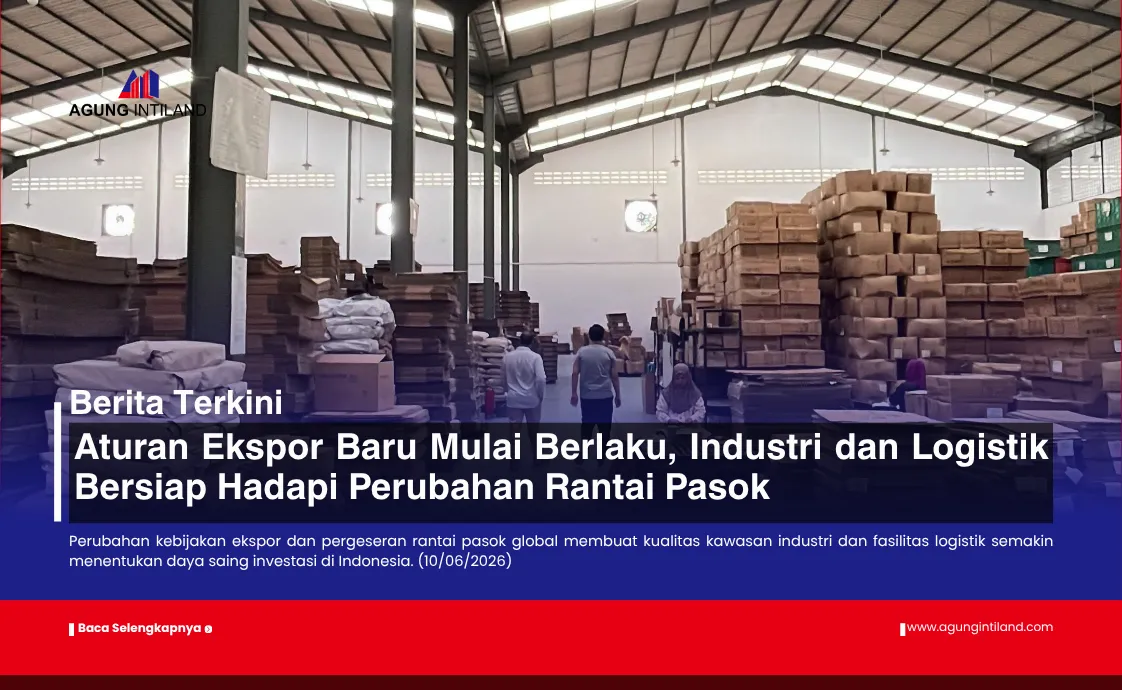
Development of modern warehouses
Regional distribution centers
E-commerce fulfillment facilities
Logistics hub for manufacturing exports
The demand for Indonesia's industrial warehouses and integrated logistics facilities is increasing alongside the growth of manufacturing and domestic consumption.
Vietnam is known for its aggressive approach in attracting export-oriented manufacturing investments, particularly in electronics and textiles. Vietnam's advantages include:
Strong integration in the global supply chain
Wide-ranging free trade agreements (FTAs)
Relatively fast licensing processes
Several industrial zones in northern and southern Vietnam serve as production bases for multinational companies.
Indonesia holds advantages in having the largest domestic market scale in ASEAN, a population of over 270 million, and downstream natural resource utilization programs that strengthen the industrial base.
Indonesia's advantages in the competition for logistics investments include:
Large consumer market
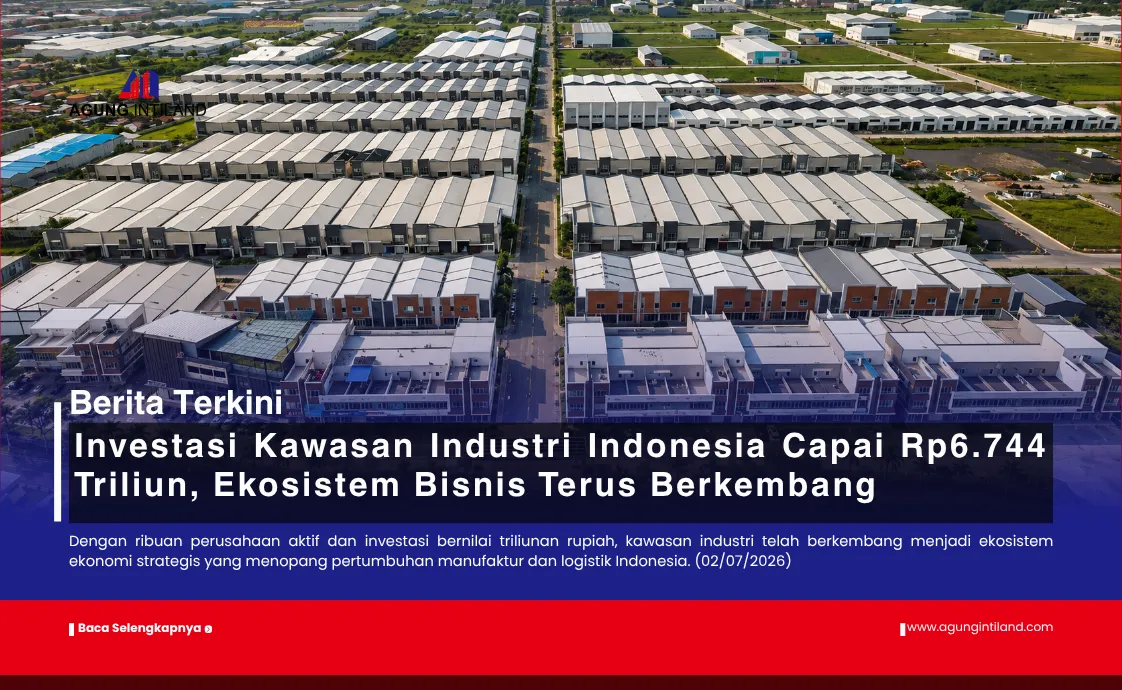
Extensive industrial estate network (around 175 zones)
Developing toll roads and ports infrastructure
Relatively stable political environment
Additionally, the contribution of industrial zones to the national GDP is around 9%, indicating this sector as the backbone of the economy.
Regional competition is making investors more selective. They consider:
Logistics costs
Legal certainty
Availability of labor
Infrastructure readiness
Regions like Tangerang industrial zone are considered competitive due to access to the Jakarta–Merak Toll Road and proximity to Soekarno-Hatta Airport and Tanjung Priok Port.
Laksana Business Park management assesses that Indonesia remains competitive in the long term.
“Vietnam is strong in certain export sectors, but Indonesia excels in a combination of domestic market and downstream potential. For the logistics sector, proximity to consumption centers is a determining factor,” said a representative of Laksana Business Park management.
According to them, industrial zones that can provide modern warehouse facilities with international standards will have significant opportunities to win investments.
Entering the first half of 2026, Indonesia and Vietnam are expected to remain the two main players in the competition for logistics investments in Southeast Asia. Permit speed, infrastructure readiness, and economic stability will be key factors in determining new investment directions. (JP)