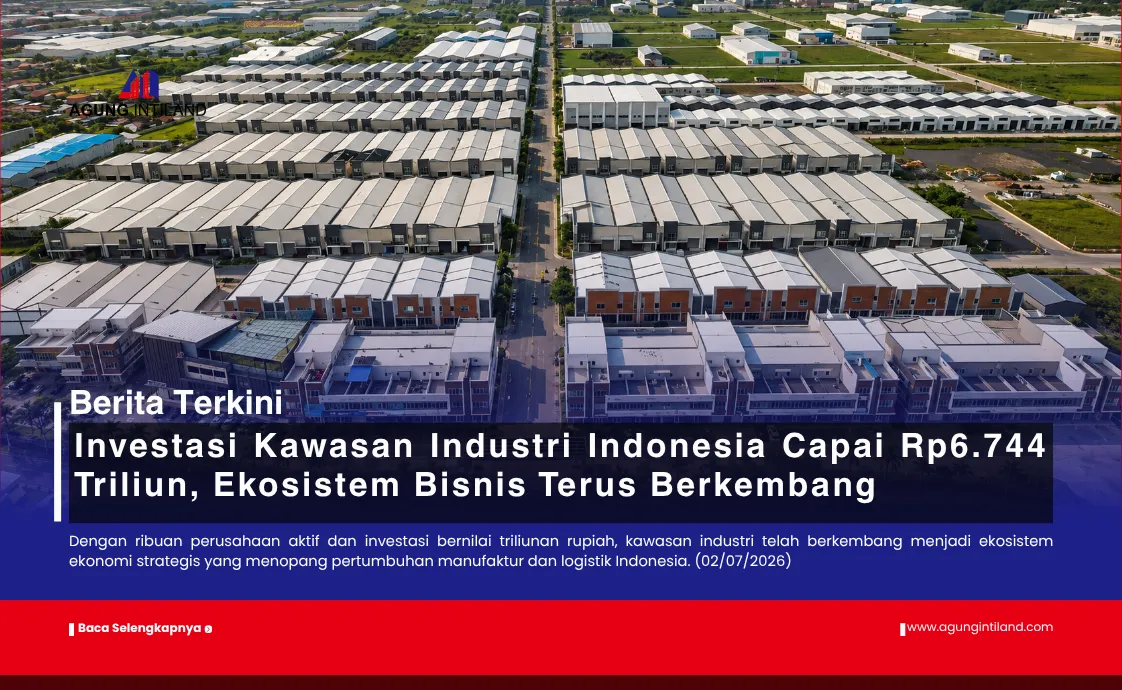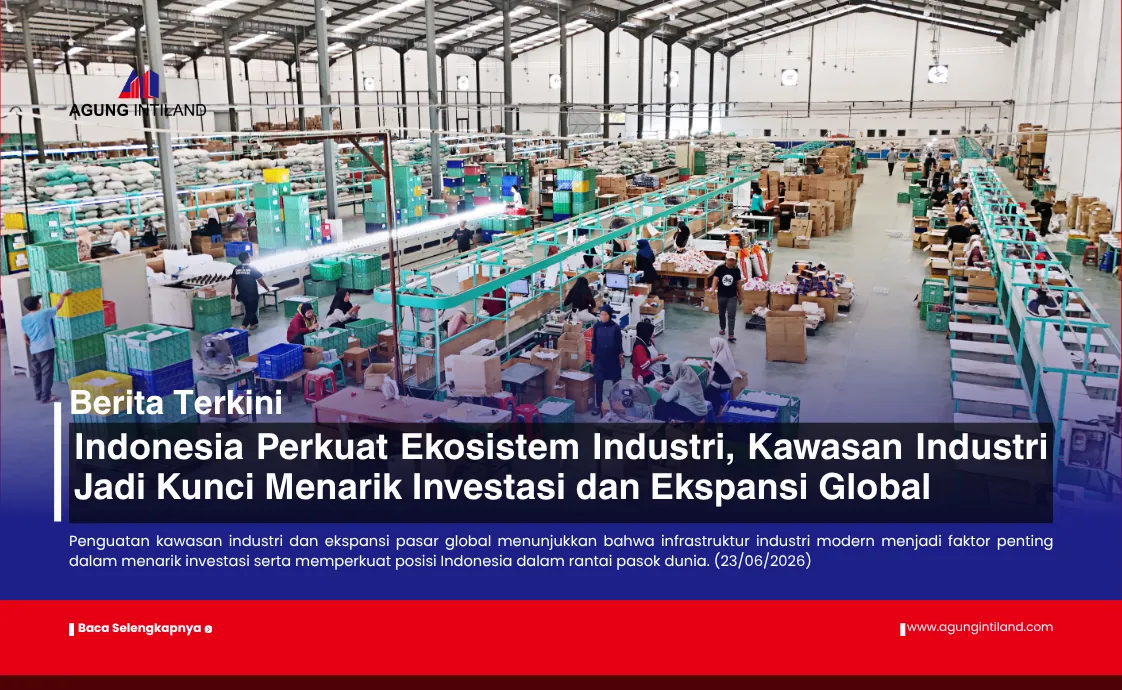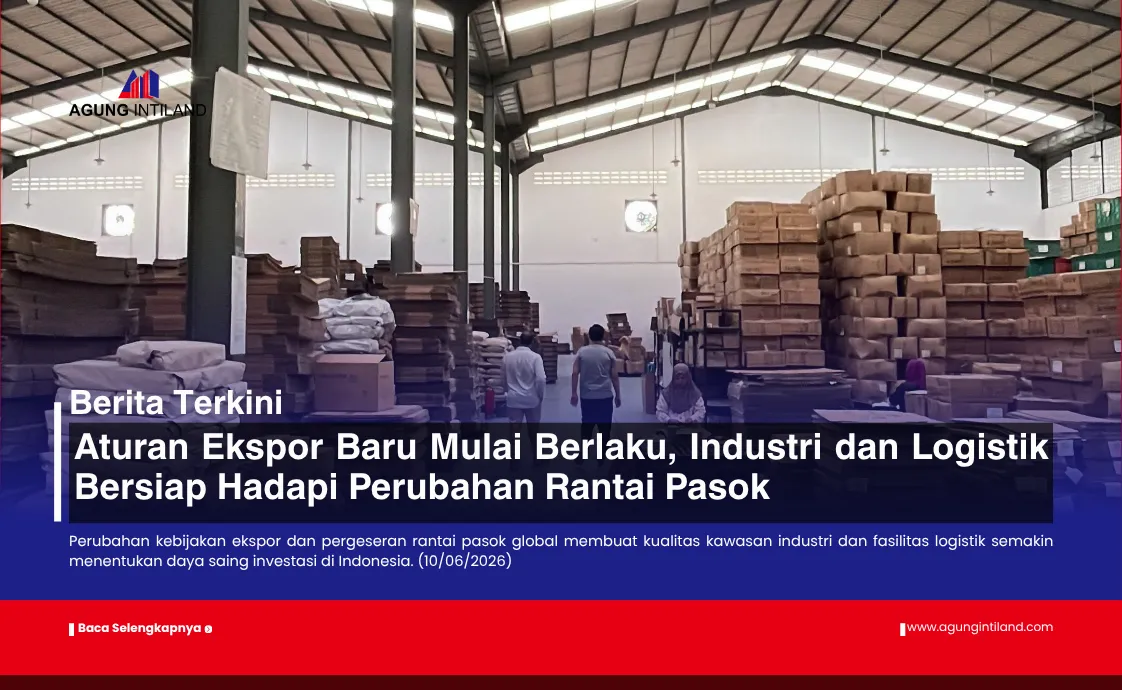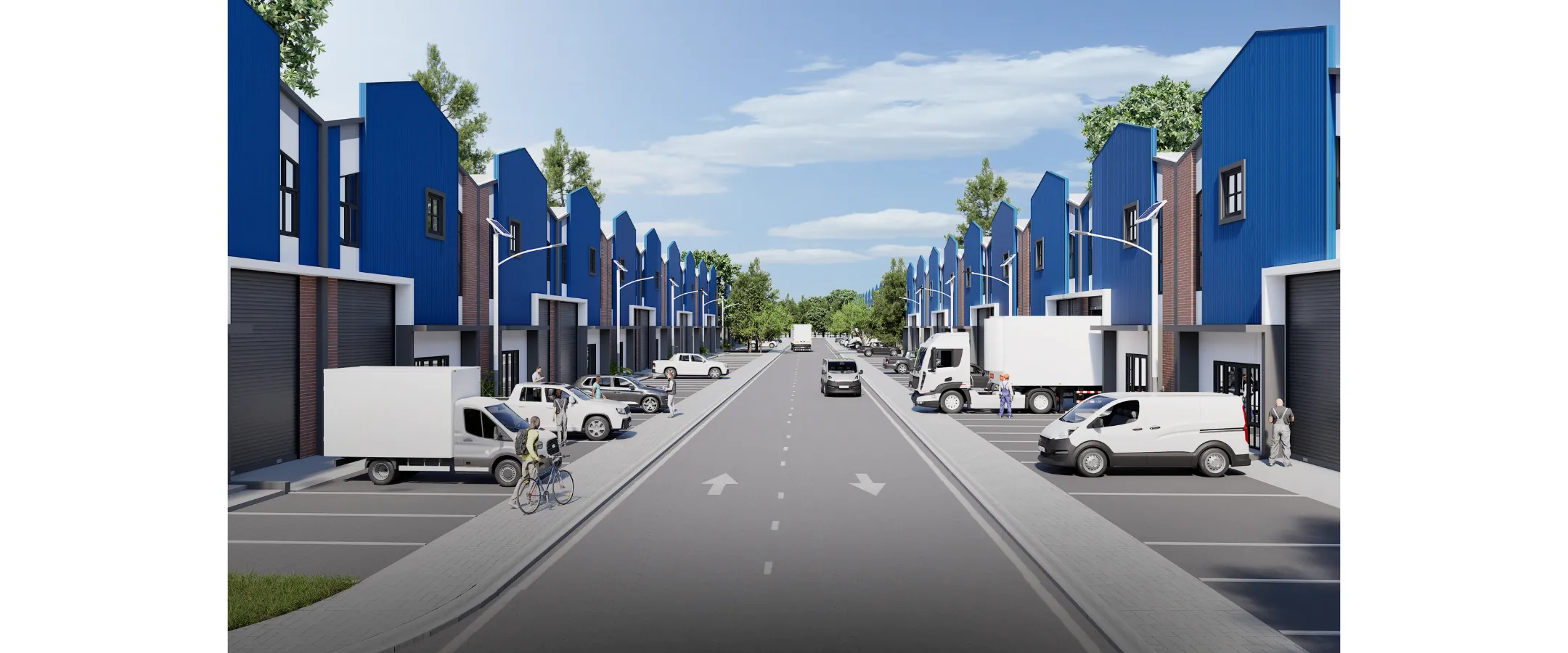
JAKARTA, Agung Intiland News - The industrial property market in Java Island shows a strengthening trend in early 2026, marked by increasing demand for modern warehouses and integrated industrial areas in the west and east corridors of Java. This was conveyed by the management of Laksana Business Park in their official statement in the Laksana Business Park, Tangerang, Banten area, on Tuesday (1/27/2026).
A representative from the Management of Laksana Business Park, who declined to be named, stated that the logistics and e-commerce sectors continue to be the main drivers of industrial space demand growth, in line with the expansion of distribution networks and the need for supply chain efficiency.
"Throughout the second half of 2025 to early 2026, we have noted an increased interest from tenants in modern warehouses with high specifications and direct access to toll roads and main ports. Tenants are not only looking for space, but also an ecosystem that supports their operational sustainability," he said.
Based on internal monitoring by the area manager, the industrial area occupancy rate in the western region of Java, especially in Banten and Jabodetabek, is in the range of 75–85 percent, with the highest demand coming from logistics companies, retail distribution, and light manufacturing.
In addition to location, building specifications and infrastructure readiness are the main considerations for prospective tenants. The availability of electricity and water supply, drainage systems, and digital infrastructure are considered to affect operational speed and long-term cost efficiency.
From a sustainability perspective, the area manager noted an increase in demand from multinational companies that prioritize the Environmental, Social, and Governance (ESG) principles. Industrial areas with environmental management programs and social initiatives are seen to have added value in the investment location selection process.
The management of Laksana Business Park emphasizes the importance of long-term infrastructure planning and continuous communication with local governments and surrounding communities to support a conducive investment climate.
Nevertheless, challenges are still faced, especially regarding licensing processes and policy synchronization between the central and regional governments, as well as the readiness of supporting infrastructure outside the core areas.
As a comparison, industry players assess that the industrial growth outside Java, particularly in Sumatra and Sulawesi, is starting to accelerate in line with the development of ports and special economic zones. However, Java still maintains its position as the main market due to its proximity to the national consumption center and a more mature distribution network.
The Chairman of the Indonesian Logistics Association (ALI) for the Jabodetabek region, in a separate statement, mentioned that the national demand for modern warehouses is estimated to grow at a high single-digit rate in 2026, driven by e-commerce expansion and the light manufacturing sector. He stated that policy harmonization and accelerated infrastructure development are determining factors for the growth outside Java to follow the market in Java Island.
"Collaboration between area managers, tenants, and the government is key to ensure that industrial areas in Java continue to grow sustainably and remain competitive at the national and regional levels," he said. (JP)