Introduction: Location Decision No Longer Just Land Price
In the increasingly felt wave of global manufacturing relocation in Southeast Asia, the decision to choose a factory location is no longer solely based on land price per square meter.
Global investors now consider far more complex factors such as logistics efficiency, operational certainty, and long-term industrial activity sustainability.
Therefore, many companies relocating their factories to Indonesia tend to choose integrated industrial zones over buying or leasing standalone industrial land.
1️. Infrastructure Certainty Since Day One of Operation
One of the biggest challenges for manufacturing companies is ensuring all basic infrastructure is available before production begins.
Integrated industrial zones usually provide:
internally designed road networks for heavy vehicles
stable power supply
clean water and drainage systems
industrial waste management
telecommunication networks
Without these facilities, companies would have to build everything on their own, which can increase initial investment costs and prolong operational time.
In the context of global relocation, time is a crucial factor as many companies aim to move production quickly to secure the supply chain.
2️. Logistics and Distribution Efficiency
Industrial zone locations are usually chosen considering proximity to:
major toll road networks
export ports
international airports
domestic consumption centers
According to various market analyses by property consultants like JLL and Colliers International, logistics access is a key factor in manufacturing investment decisions in Southeast Asia.
Distribution efficiency can significantly reduce operational costs, especially for industries reliant on fast distribution such as:
FMCG
e-commerce
electronics
automotive
3️. Area Management and Operational Stability
Integrated industrial zones usually have professional area management systems.
This includes:
security management
infrastructure maintenance
industrial vehicle traffic regulation
area utilities coordination
For global investors, operational stability is a crucial factor as minor disruptions in logistics or infrastructure can impact international production chains.
With good area management, companies can focus more on their core production activities.
4️. Formed Industrial Ecosystem
Another advantage of industrial zones is the formation of a business ecosystem.
Within one zone, there are often:
raw material suppliers
logistics companies
industrial service providers
operational support facilities
Proximity to such an ecosystem can enhance supply chain efficiency and accelerate collaboration among companies.
This phenomenon is often referred to as industrial clustering, proven to enhance manufacturing sector productivity in various countries.
5️. Investor Perspective: Better Managed Risks
From a long-term investment perspective, industrial zones also offer several additional advantages:
spatial planning and permits certainty
environmental management standards
clear area planning
more stable asset values
Conversely, standalone industrial land often faces challenges like spatial changes, utility limitations, or restricted access for large vehicles.
For multinational companies investing for decades, this certainty is a primary consideration.
Relevance for Industrial Zones in the West Corridor of Jabodetabek
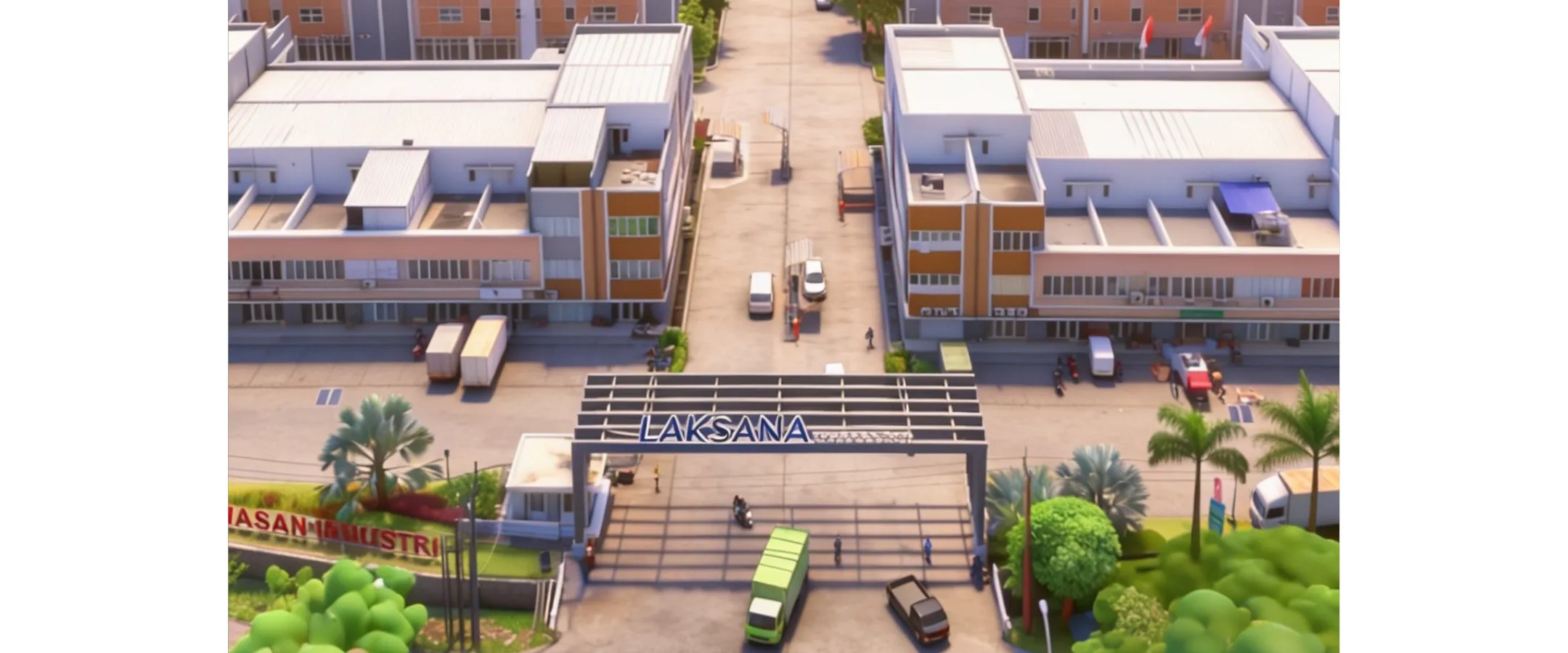
With the increasing manufacturing investment and logistics activities in Indonesia, industrial zones located in the western corridor of Jabodetabek have a strategic position in supporting production activities and national distribution.
Regions like Tangerang, for example, are relatively close to major logistics networks and the largest consumer market in Indonesia.
The combination of accessibility, area infrastructure, and planned industrial environment makes integrated industrial zones in this region increasingly relevant for investors considering relocation or production facility expansion. (JP)