Introduction: The Industrial World Is Undergoing a Major Reset
Entering the end of May 2026, the direction of the global industry is changing much faster than many business people predict.
If a few years ago the world only focused on post-pandemic recovery, now global companies are facing new, more complex challenges:
New tariff war between the United States and China
the surge in the use of AI in the manufacturing sector
Global supply chain disruptions
Rising international logistics costs
The need for increasingly aggressive production relocation.
As a result, many companies are starting to change their industry strategies massively.
And interestingly, Southeast Asia, especially Indonesia, is starting to be on the main radar of global manufacturing investment.
Global Tariff War Heats Up Again
One of the biggest issues in the world's industry today is the rising trade tensions between the United States and China.
In May 2026, the US government will again tighten several trade and technology policies on strategic products from China, including the following sectors:
Electric vehicles
Battery
AI technology
semiconductors.
This condition has made many global companies start looking for alternative countries to:
Production
Regional distribution
Supply chain diversification.
This phenomenon is known as:
China Plus One Strategy.
And today, the strategy is starting to move more clearly than it did a few years ago.
Southeast Asia Becomes the "New Stage" of World Industry
Vietnam, Thailand, Malaysia, and Indonesia are now the main destinations for new manufacturing expansion.
However, Indonesia is starting to get more attention because it has a combination:
Large domestic market
Strategic industrial resources
Infrastructure Growth
Demographic Bonus
strong regional logistics position.
According to the latest data from the Ministry of Investment/BKPM as of May 2026, the manufacturing sector is still the largest contributor to national investment, especially in the following sectors:
Electric vehicles
Mineral Downstream
Electronics
Logistics
export support industry.
AI is now starting to change the way factories operate
In addition to geopolitics, another big change is coming from Artificial Intelligence (AI).
If AI used to be only used by technology companies, now global manufacturers are starting to use it to:
Production automation
Quality Control
predictive maintenance
Supply Chain Efficiency
automated warehouse management.
The latest Deloitte Global Manufacturing Outlook 2026 report states that AI investment in the industrial sector will increase significantly throughout early 2026 as companies look to reduce operational costs and improve production efficiency.
Meaning:
Modern industrial estates now require not only land and buildings, but also digital infrastructure readiness.
Modern Warehouses Become the Most Sought-After Infrastructure
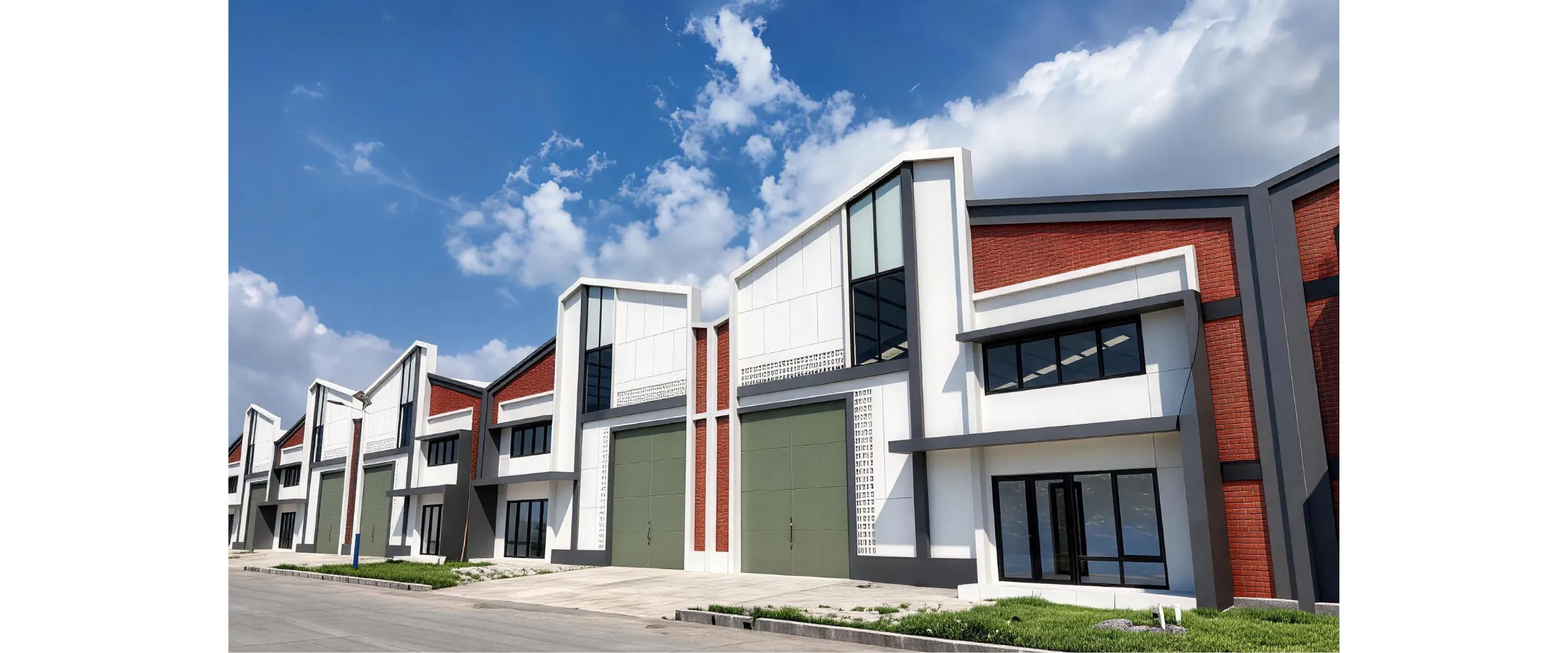
Interestingly, the growth of the new industry has actually made the modern warehousing sector soar.
The latest data from Colliers Indonesia Q1 2026 shows:
the occupancy of modern warehouses in Greater Jakarta reaches around 95.8%
New supply is increasingly limited
Demand comes from the logistics, EV, FMCG, and technology sectors.
This shows that:
Modern industries now rely heavily on distribution efficiency.
Because in the era of fast industry like today:
Goods must move faster
Supply Chain Must Be More Efficient
distribution should be closer to the main market.
Industrial Estates Are No Longer Judged on Land Prices Only
Global industry changes have made investors much more selective in choosing operational locations.
If the main focus used to be:
Cheap Land Prices
Now the company pays more attention:
Toll access
Logistics connectivity
Proximity to ports and airports
Utility Stability
Regional readiness
long-term expansion potential.
As a result, industrial estates that have a mature operational ecosystem are now much more competitive than conventional areas.
Indonesia is entering an important momentum
Many analysts consider 2026 to be one of the most important moments for Indonesian industry in the past decade.
Because for the first time:
Global Industrial Relocation
EV growth
Modern Logistics Needs
AI transformation
National Infrastructure Development
occurred in almost the same time.
This situation opens up great opportunities for growth:
Industrial Estate
Modern warehousing
Supplier Ecosystem
Integrated logistics properties.
Strategic Industrial Corridor Will Be the Winner
In the midst of these changes, the regions have:
Strong Distribution Access
Main Road Connectivity
Operational Readiness Infrastructure
Efficiency of Goods Mobility
will be the most sought-after location for industrial tenants.
Because at the end of the day:
Global companies are not only looking for production sites, but looking for long-term business efficiency.
Area Positioning
In the 2026 global industrial dynamics, regions that are able to combine logistics connectivity, infrastructure readiness, and operational flexibility will have an increasingly strategic position.
The integrated region approach is becoming increasingly relevant as modern companies need more than just land—they need ecosystems that can support sustainable business growth.
Cover: The Map of the World's Industry Is Changing Rapidly
Today's global industrial changes are no longer just a temporary trend.
AI, tariff wars, factory relocations, and supply chain transformation are creating a new industrial map that will determine the direction of world investment in the next few years.
And Indonesia is now in one of the most strategic positions to be part of these changes.
In the midst of this momentum, modern industrial and logistics estates that are ready in terms of connectivity and operations will become an important foundation for the next national industrial growth. (JP)
FAQ
Why are global companies starting factory relocation?
Due to the tariff war, supply chain diversification, and rising global production costs.
Why is Indonesia starting to be looked at by the world industry?
Because it has a large market, developed infrastructure, and strategic industrial resources.
What is the impact of AI on the manufacturing industry?
AI helps improve production efficiency, automation, and supply chain management.
Why are modern warehouses increasingly important in 2026?
Because fast distribution and logistics efficiency are the main keys to modern industry.