JAKARTA, Agung Intiland News — Geopolitical conflicts involving Iran in 2026 are beginning to impact global economic stability, particularly in the energy, logistics, and industrial supply chain sectors. However, amidst these pressures, the industrial and warehousing sector in Indonesia is showing significant growth potential.
The government through the Ministry of Industry stated that the escalation of conflicts in the Middle East could lead to an increase in global energy prices, disruptions in international trade routes, and higher logistics and raw material costs.
These conditions are driving global industry players to adjust their operational strategies, especially in maintaining supply chain stability.
Global Disruption Changes Supply Chain Strategy
Uncertainty in distribution routes, especially in strategic areas like the Strait of Hormuz, increases the risk of delivery delays and logistics cost spikes.
In this situation, companies are moving away from efficiency-based just-in-time approaches and shifting to just-in-case strategies by increasing storage capacity and stock reserves.
This change directly drives the increased demand for warehouse facilities, including in countries with relatively stable economies like Indonesia.
Rising Warehouse Demand Benefits Industrial Zones
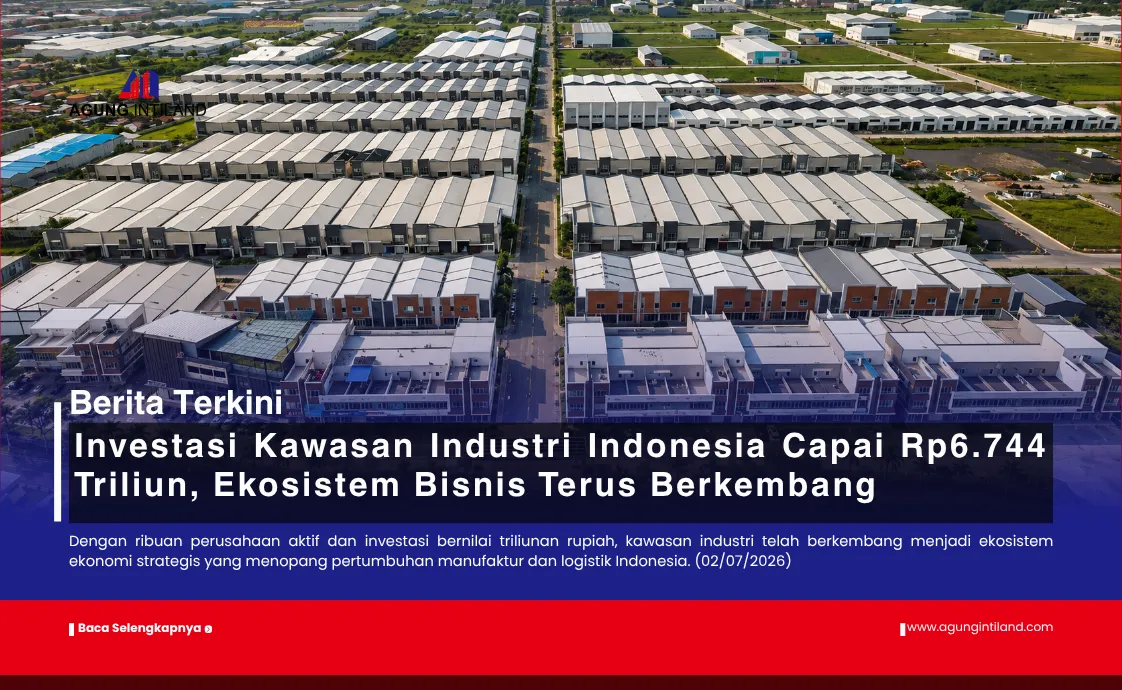
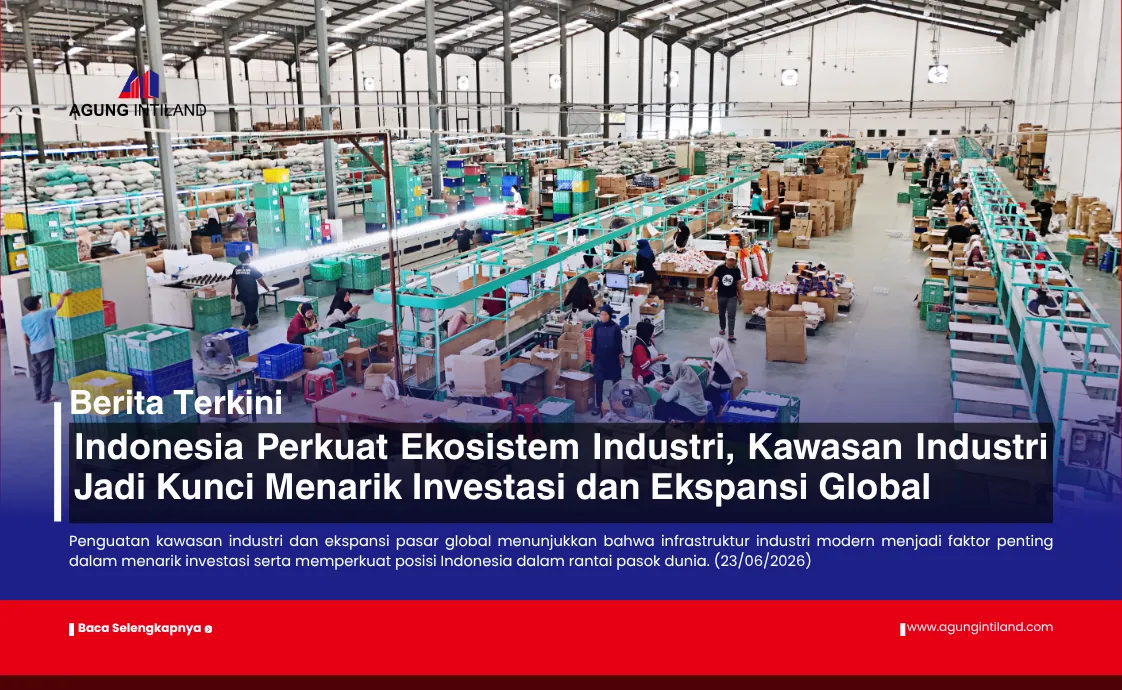
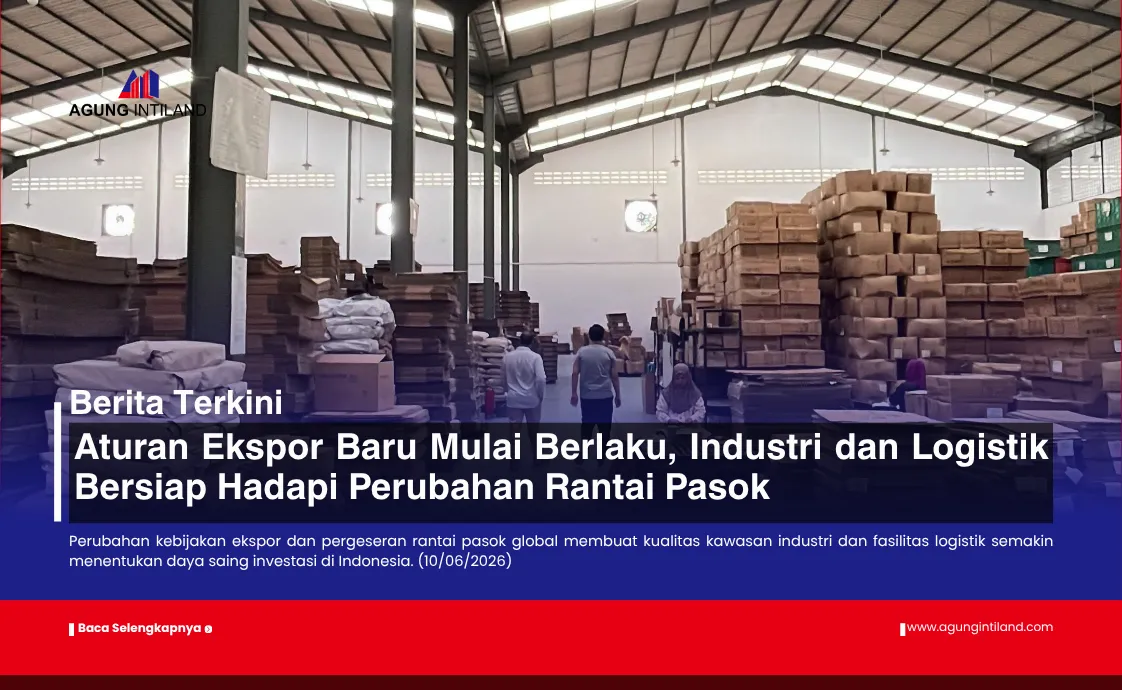
With the increasing need for buffer stock, the demand for modern warehouses is experiencing a positive trend, especially in industrial zones with strategic logistic access.
Business players now prioritize:
Ready stock warehouses
Proximity to highways and ports
Industrial zones with integrated logistic ecosystems
This situation transforms the warehousing sector from a mere supporting facility to a crucial part of business strategy.
Indonesia in a Strategic Position
Amidst global uncertainties, Indonesia is considered to have a relatively strong economic resilience. The government mentions that the conflict's impact on the national economy is relatively limited, especially due to strong domestic consumption.
This stability is a crucial factor driving Indonesia as an alternative location for:
Supply chain relocation
Regional logistics expansion
Industrial zone investments
Furthermore, the increasing global logistics costs are pushing companies to bring distribution centers closer to primary markets, including in the Southeast Asian region.
Logistics Investment Opportunities Increasingly Open
Amidst global disruptions, the logistics and warehousing sector is seen as one of the most resilient sectors. The need for distribution flexibility and supply security are key factors driving growth.
Observers believe that:
Warehouse demand will increase in the medium term
Integrated industrial zones will have a competitive edge
Investments in the logistics sector have the potential to provide stable returns
This makes logistics-based industrial zones an attractive sector for both domestic and foreign investors.
Transformation of Industrial Zone Roles
This global change is also driving the transformation of industrial zone functions in Indonesia. Industrial zones are now not only production centers but also:
Distribution hubs
Regional logistics centers
Supply chain support
Areas that can provide modern warehouse facilities, strong logistic access, and operational readiness are considered the top choice for future business expansions.
Conclusion
The 2026 Iran conflict that triggered global supply chain disruptions has opened new opportunities for the industrial and warehousing sectors in Indonesia. The surge in warehouse demand and changes in supply chain strategies are the main drivers of this sector's growth.
With domestic stability support and increasing logistics needs, Indonesia is strategically positioned to seize investment opportunities amidst uncertain global dynamics. (JP)