JAKARTA, Agung Intiland News — Changes in industrial and logistics needs are driving the emergence of new standards in the development of industrial warehouses in Indonesia. By 2026, tenants are no longer just looking for storage space, but facilities that can support operational efficiency, distribution speed, and business flexibility within an integrated ecosystem.
This transformation is increasingly visible in the Jabodetabek region, which is the center of national manufacturing and logistics activities.
From Conventional Warehouses to Business Ecosystems
The Indonesian logistics warehouse market is undergoing a significant shift. Warehouses are no longer just places for storage, but are evolving into centers of business activities that combine various operational functions.
Tenants are now looking for facilities that can accommodate:
goods storage
distribution activities
business operations
administrative needs in one location
This change is driving the emergence of more flexible and efficient integrated warehouse concepts.
Warehouse Standards Tenants are Now Seeking
Industry players now have increasingly complex criteria in choosing industrial warehouse rentals, including:
1. Strategic and Connected Location
Proximity to main logistics routes is a top priority. Areas like the Tangerang industrial zone have an advantage due to their access to main toll roads, ports, and Soekarno-Hatta International Airport.
2. Operational Efficiency in One Area
Tenants now avoid separating warehouse, office, and other business activities locations as it can increase operational costs and time.
3. Building Function Flexibility
Modern warehouses are required to adapt to various business needs, from storage to commercial activities.
4. Infrastructure and Professional Management
Security, utilities, and area management are important factors in maintaining operational smoothness.
Emergence of the 4in1 Warehouse Concept
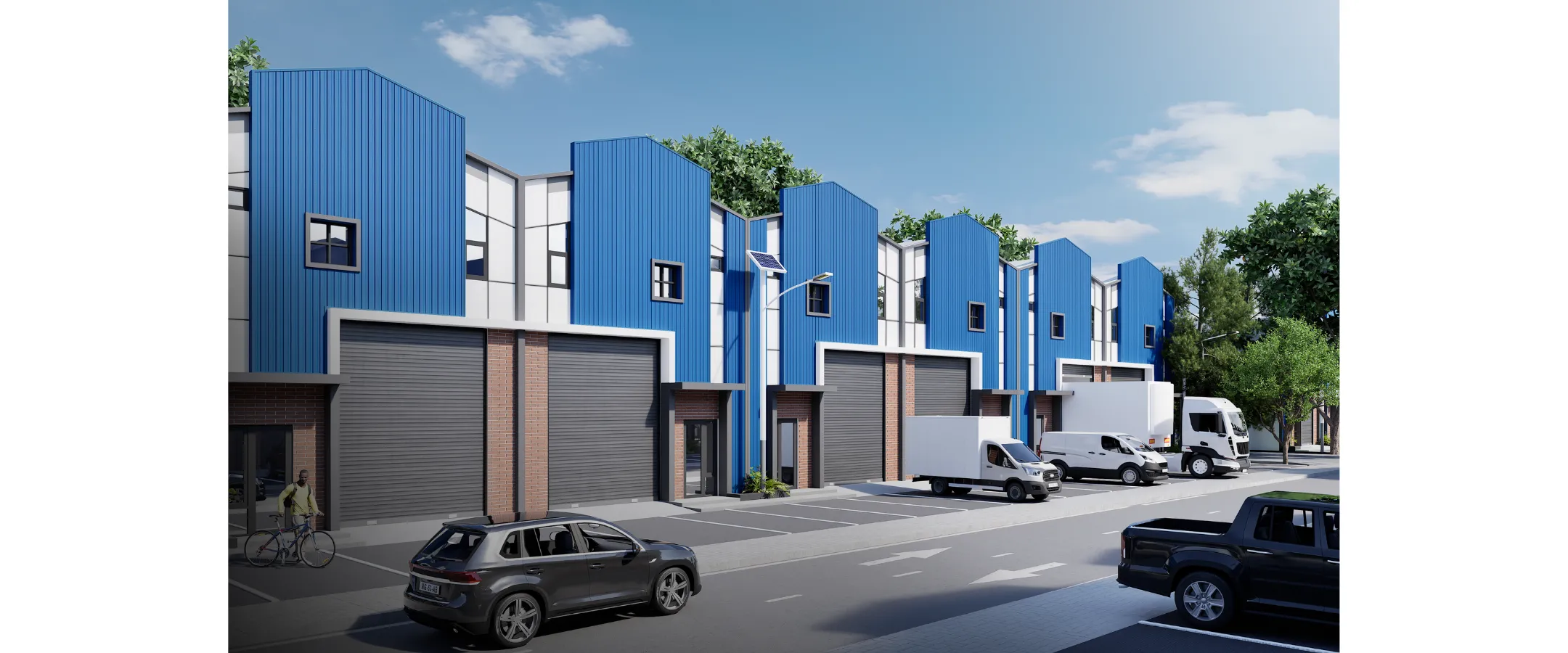
With these changing needs, integrated warehouse concepts that combine various functions in one building are emerging. One approach that is gaining attention is the 4in1 warehouse concept, which combines warehouse, business area, office space, and housing in one location.
This concept is considered to meet efficiency needs, especially for businesses that want to optimize operations without having to move locations.
In this context, developments like Luxima in the Laksana Business Park area are examples of adaptation to this trend. By combining warehouse, store, office, and housing functions under one roof, this concept provides flexibility for businesses to manage operations more efficiently.
Efficiency as the Primary Consideration
This change indicates that tenants are now more focused on total efficiency, not just rental prices.
With integrated concepts, companies can:
reduce operational costs
accelerate business coordination
increase productivity
optimize space usage
This makes modern warehouse areas that are adaptive to tenant needs the top choice in the market.
Area Players' Perspectives
The management of Laksana Business Park believes that these warehouse standard changes reflect the increasingly dynamic needs of the industry.
“Tenants now need practical and efficient solutions. The integrated warehouse concept is relevant because it can meet operational needs in one location,” said a management representative.
According to them, industrial areas that can bring innovation in product concepts will have a higher competitiveness in the market.
Prospects for the 2026 Industrial Warehouse
In the future, the Indonesian industrial warehouse sector is expected to continue to evolve towards more integrated and multifunctional models.
Demand for warehouses will no longer be based solely on space needs, but also on the area's ability to support business activities comprehensively.
This transformation marks a significant shift in the industry, where warehouses are no longer just storage facilities, but part of business growth strategies. (JP)