Agung Intiland, July 14, 2026
Warehouses Are No Longer Just Storage Places
Technological changes in recent years have changed the way companies run their operations. If in the past warehouses were only seen as a place to store goods, now warehouses are the center of logistics activities that determine the speed of distribution, stock accuracy, and customer satisfaction.
The growth of e-commerce, increasing manufacturing activities, and faster shipping demands make companies have to manage warehouses more efficiently and data-driven.
This transformation presents great opportunities, but it also brings new challenges to the warehousing industry.
The Biggest Challenges of the Warehousing Industry Today
The first challenge is the increasing expectations of customers for delivery speeds. Companies are required to be able to process orders in a matter of hours, no longer a matter of days.
The next challenge is the increasingly complex management of stock. The more types of products that are stored, the higher the risk of recording errors if you still use manual processes.
In addition, warehouse operational costs also continue to increase. Companies are required to increase productivity without having to significantly increase costs.
On the other hand, digitalization is starting to become a necessity. Companies that have not taken advantage of technology will find it increasingly difficult to compete with industry players who have implemented automation and warehouse information systems.
Modern Warehouses Don't Just Rely on Buildings
The company is now not only looking for warehouses with a certain area. They also need facilities that are able to support operational efficiency, ranging from access to logistics vehicles, regional security, to digital infrastructure readiness.
Therefore, the selection of a warehouse location is an important part of a long-term business strategy.
Industrial estates that have clear legality, adequate infrastructure, and good distribution access will provide added value to the company's operations.
Technology Becomes the Answer to Warehousing Challenges
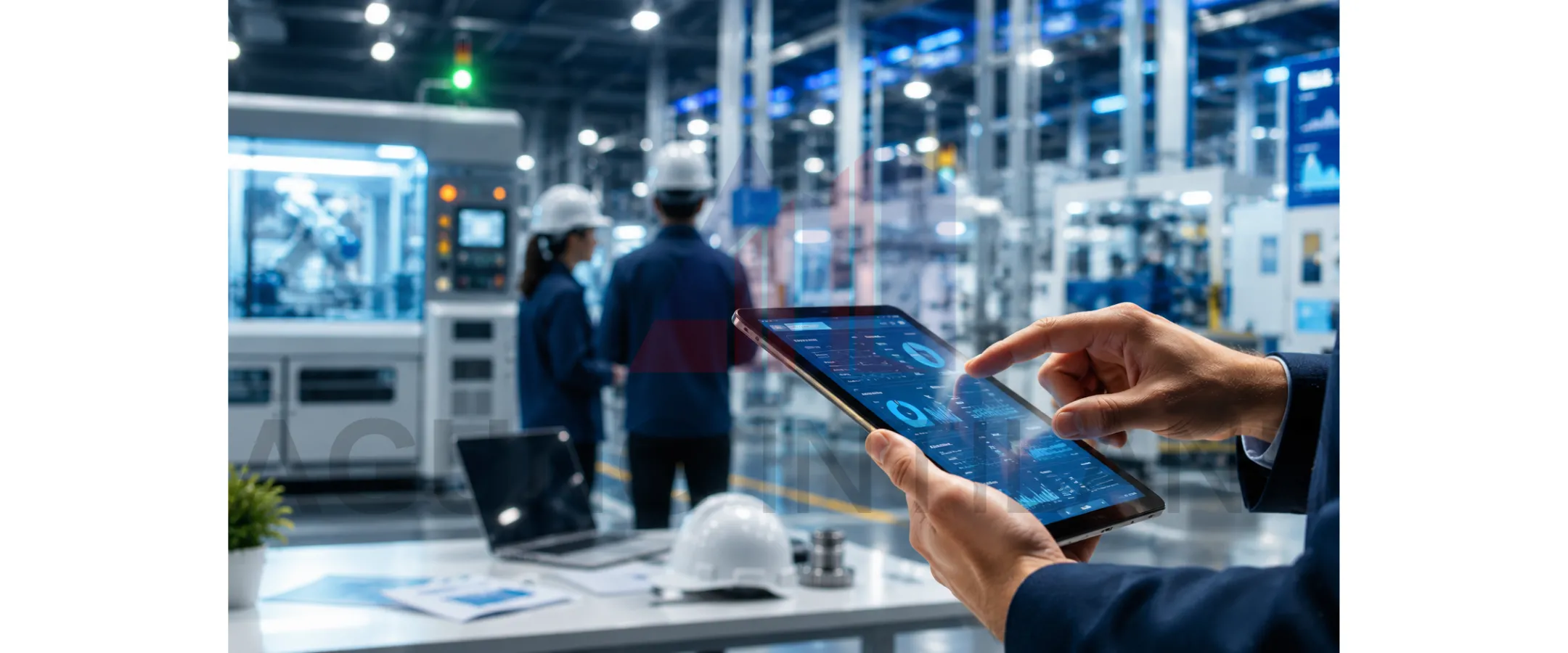
Digitalization is one of the main solutions in dealing with industrial changes. One of the most widely used technologies today is the Warehouse Management System (WMS).
Through WMS, companies can monitor stock in real-time, optimize storage space, speed up the delivery process, and reduce the risk of operational errors.
This technology is now an important part of modern warehouses that want to increase productivity while providing better service to customers.
Also read: Warehouse Management System (WMS): Technology That Changes the Way Modern Warehouses Operate.
Laksana Business Park Supports Industrial Transformation
Digitalization not only requires technology, but also areas that are able to support the company's operational activities.
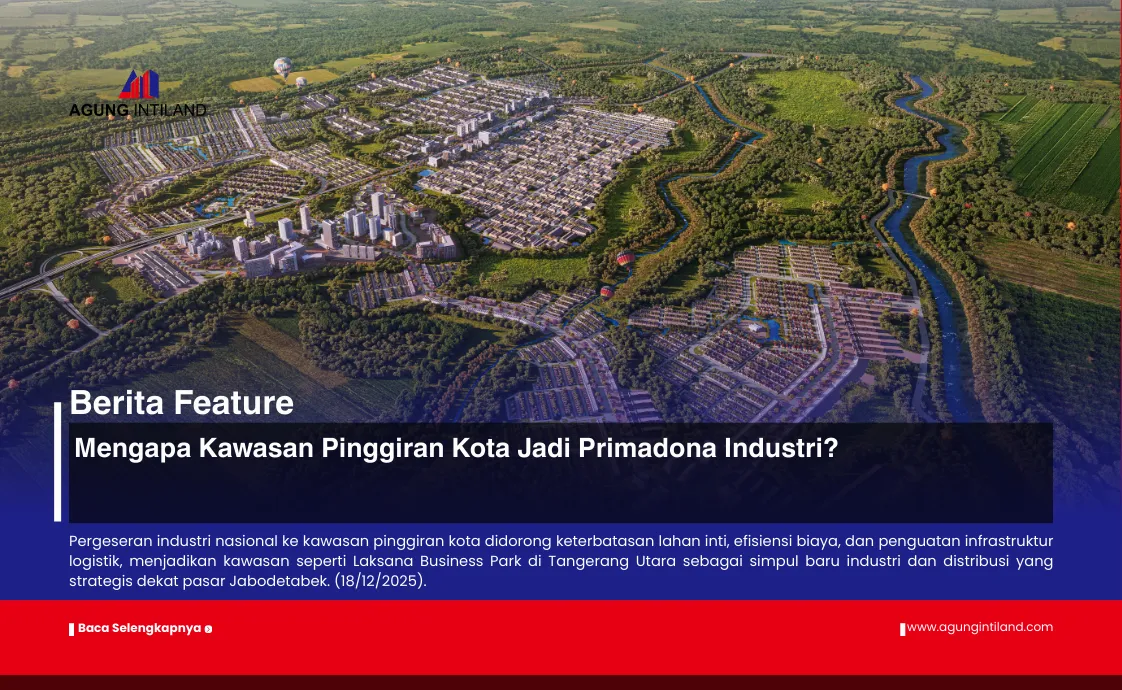
As an area that already has an Industrial Estate Business Permit (IUKI), Laksana Business Park presents a business environment designed to support the growth of modern industry, logistics, and warehousing.
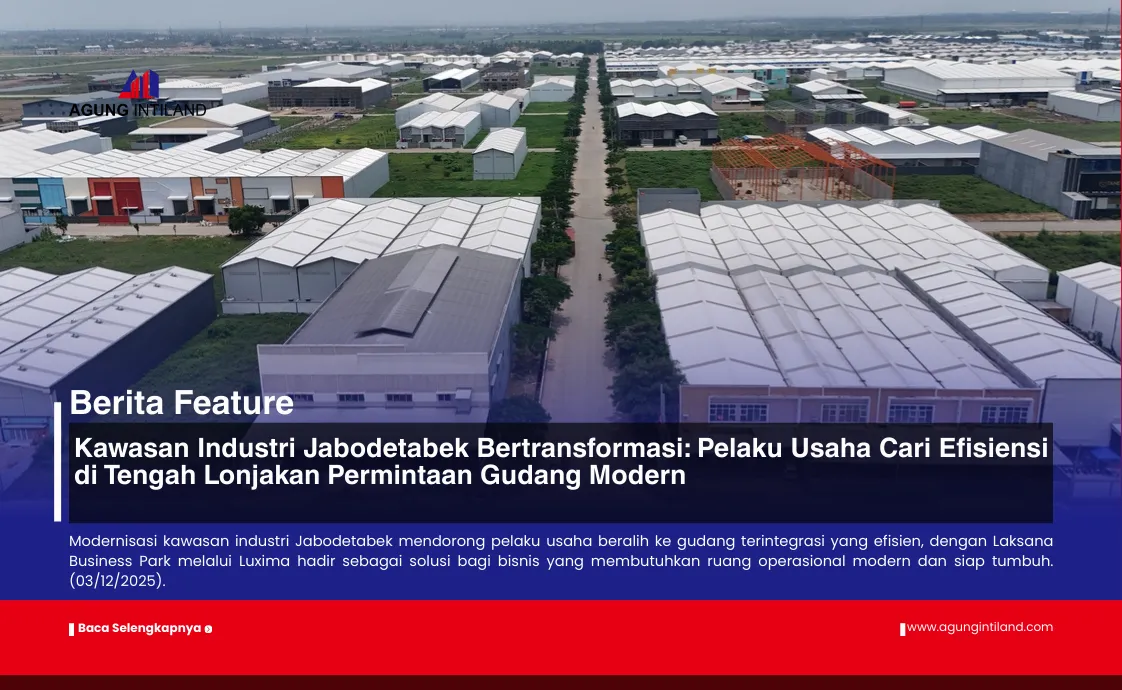
Supported by strategic access, ever-expanding infrastructure, and modern warehouse concepts such as Luxima 4-in-1, this area provides flexibility for companies to run operations while preparing for future business transformation.
Conclusion
Digital transformation has transformed the role of warehouses into operational centers that determine the company's competitiveness. To answer these challenges, companies not only need technology, but also industrial estates that are able to support efficiency, connectivity, and sustainable business growth. (JP)